How to Spot Failing Electrical Fixtures: Insider Inspection Tips
If you’re noticing flickering lights, buzzing switches, or fans that seem weaker than they used to, you’re not alone. Doctor Electric has helped homeowners across Florida find and fix these subtle but important electrical issues for years. The electrical fixtures in your home don’t last forever, and catching problems early matters for both safety and cost.
A lot of folks try to ignore minor electrical quirks, hoping they’ll go away, but ignoring the early warning signs can mean a small fix turns into a much costlier repair. Doctor Electric takes pride in providing honest, practical insight so you know what really needs attention—before it causes damage or becomes a risk. Here’s the guide you and every Florida homeowner needs to stay ahead of fixture failure.
In This Article:
- Immediate Checks After Installation
- Ongoing Fixture Maintenance Habits
- Signs That Call for a Professional
- Maintenance Mistakes That Undo Results
- Spotting Trouble Early: Key Takeaways
Immediate Checks After Installation
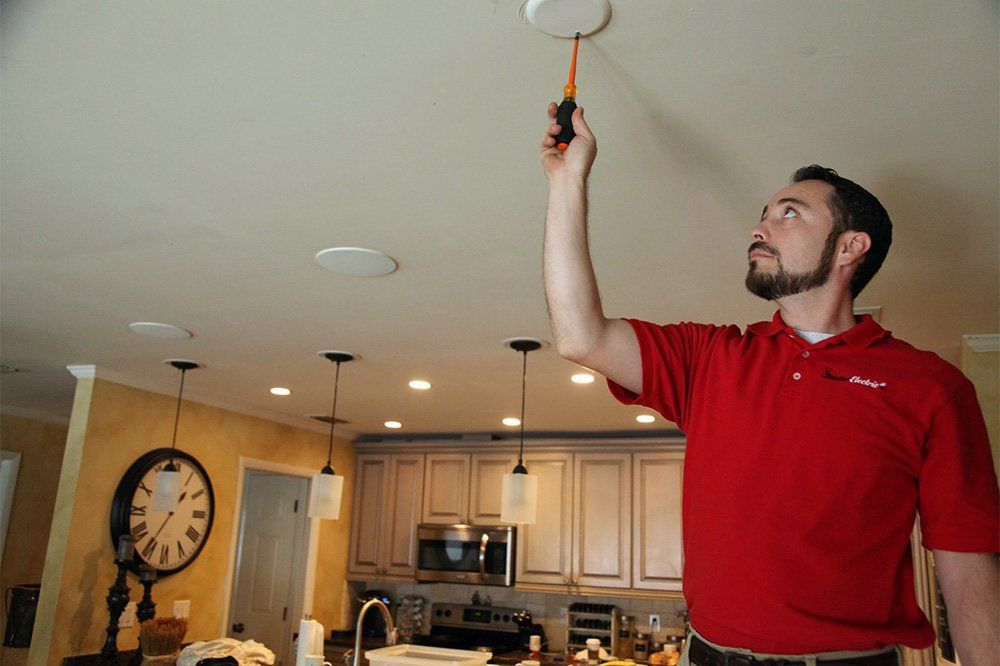
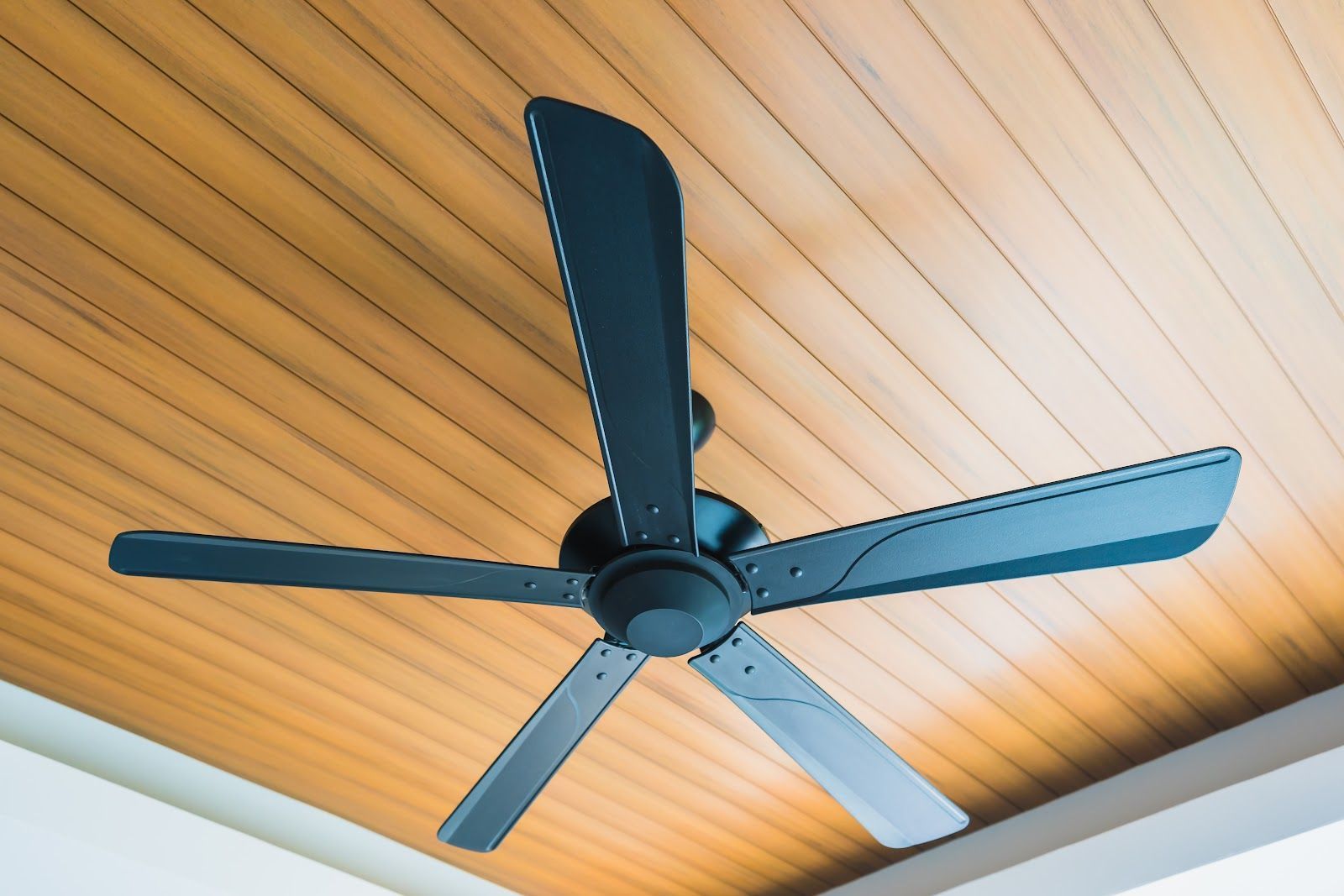
Once new lighting or fans are installed, a little oversight goes a long way. Even fresh installations aren’t immune to issues if wiring isn’t snug or fixtures aren’t seated correctly. Doctor Electric always encourages a quick in-use check after their team leaves—especially in Florida homes, where humidity can loosen connections over time.
• Check all switches and dimmers: Make sure they turn on/off smoothly with no flicker or buzzing.
• Inspect fixture mounting: Verify there’s no movement or wobble—the fixture should feel solid.
• Test in real conditions: Run the fan or leave the light on for a few hours, watching for odd smells or noise.
→ A quick tip to remember: If anything feels loose or sounds odd right after installation, get Doctor Electric back on the line for a warranty check.
Ongoing Fixture Maintenance Habits
Most fixture failures happen long after installation due to dust, wear, or unnoticed damage. Florida’s unique environment, especially around Pinellas County, means salty air and high humidity can accelerate corrosion.
• Dust and wipe fixtures monthly: Buildup can trap heat and shorten bulb life.
• Tighten switch plates and screws: Movement from daily use slowly loosens hardware.
• Replace bulbs with manufacturer-approved watts: Overloading a fixture can damage wiring or cause shorts.
► The most important habit: Never ignore a fixture that starts to get warm—excess heat is a warning sign for deeper problems.
Signs That Call for a Professional
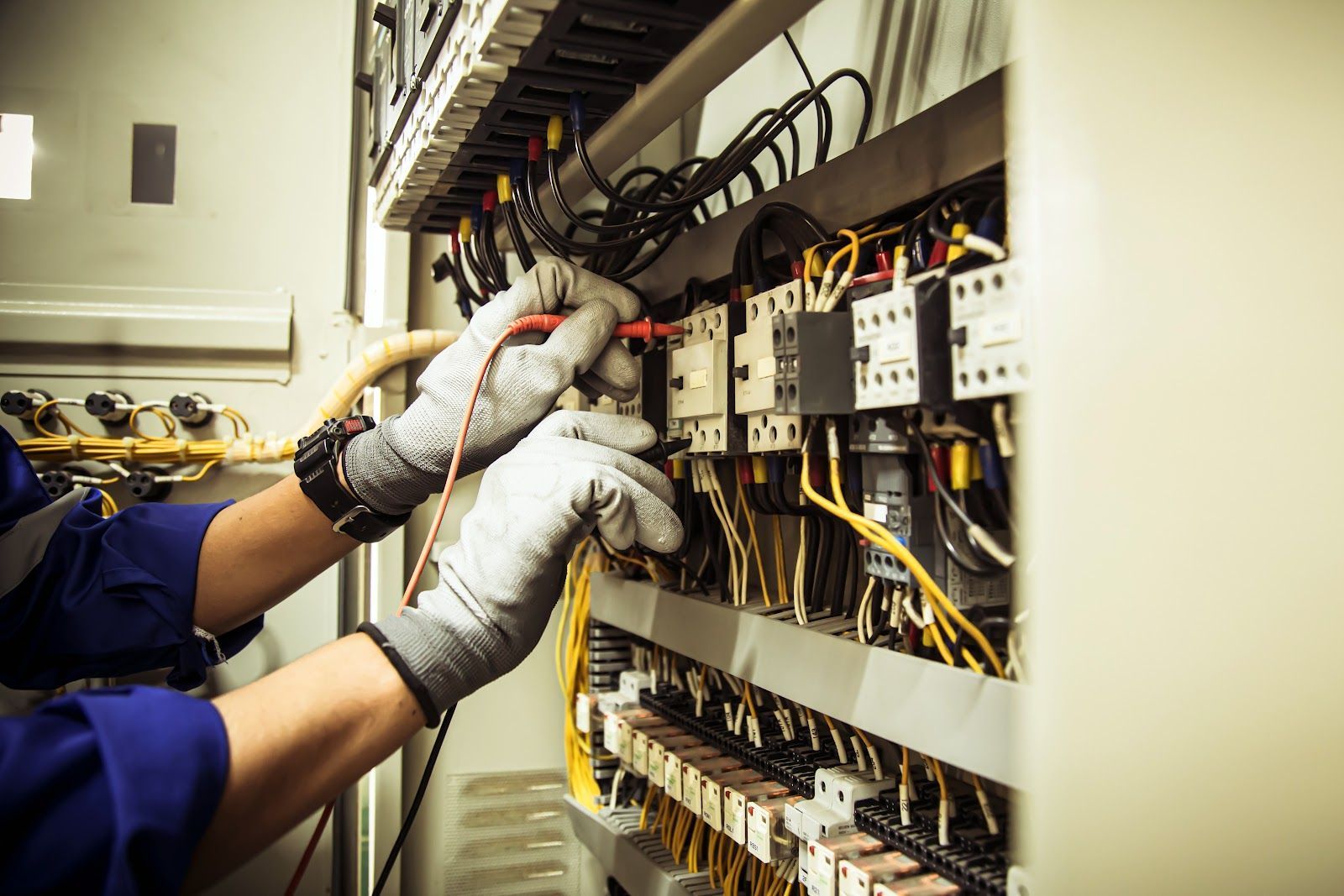
DIY fixes are tempting, but certain warning signs mean it’s time to involve an expert. Doctor Electric’s team is skilled in diagnosing problems a homeowner might overlook, keeping Florida homes safe and compliant with local electrical codes.
• Repeated bulb burnouts: This often means a loose socket or improper wiring, not just a bad bulb.
• Unusual noises: Persistent humming or buzzing from fixtures or switches points to a wiring issue.
• Unresponsive or sparking switches: Call an electrician right away—sparks mean energized wires are exposed.
Maintenance Mistakes That Undo Results
Even diligent homeowners can make missteps that undo professional work. The Florida climate adds extra challenge, with moisture intrusion being a frequent culprit.
• Using the wrong bulbs: It’s not just about wattage—some fixtures need a certain bulb shape or base. Anything else can overheat or fail.
• Overtightening fixtures: Too much pressure cracks mounting brackets, leading to loose contacts and failures.
• Skipping seasonal checks: Especially during humid seasons, look for corrosion on exposed metal contacts or terminals.
Spotting Trouble Early: Key Takeaways
Staying on top of fixture condition isn’t complicated, but it does require a bit of attention each month. If you catch signs early and use professionals for anything beyond simple bulb swaps, you’ll avoid most of the big-ticket repairs and headaches.
When in doubt, Doctor Electric is here for homeowners throughout Florida—especially in Pinellas County. Electrical work isn’t just about keeping the lights on; it’s about keeping your home safe and worry-free.
Share This Blog