Level 1 vs. Level 2 EV Chargers: Which Is Best for Pinellas County Homeowners?
Buying an electric vehicle brings up immediate questions about keeping the battery charged at home. Relying entirely on public charging stations defeats the daily convenience of owning an EV in Pinellas County. The licensed professionals at Doctor Electric evaluate residential garages to determine the exact charging infrastructure your new car requires. Understanding the voltage differences between charging systems prevents you from waking up to an empty battery right before your morning commute.
Dealerships often hand buyers a basic charging cord and suggest that plugging it into the wall solves everything. This dangerous assumption ignores the massive continuous electrical draw required to fill a high capacity car battery over several hours. Upgrading your home infrastructure ensures your vehicle receives a safe and steady flow of electricity without overheating your household wiring.
Inside this charging breakdown:
- Level One Output: Exploring standard outlet capabilities
- Level Two Infrastructure: Wiring dedicated circuits safely
- Panel Load Limits: Evaluating your main breaker box
- Frequently Asked Questions
Level One Output
Every electric vehicle comes with a basic Level 1 charging cord that fits into a standard 120 volt household receptacle. While this setup requires zero installation effort it delivers an incredibly slow charge. A Level 1 cord typically adds only four to five miles of driving range per hour of charging. If your daily commute from Clearwater to St. Petersburg exceeds forty miles a standard wall plug simply cannot replenish the battery overnight. Furthermore drawing a continuous load on an aging garage outlet generates severe heat that can melt the plastic faceplate and cause an electrical fire.
Level Two Infrastructure
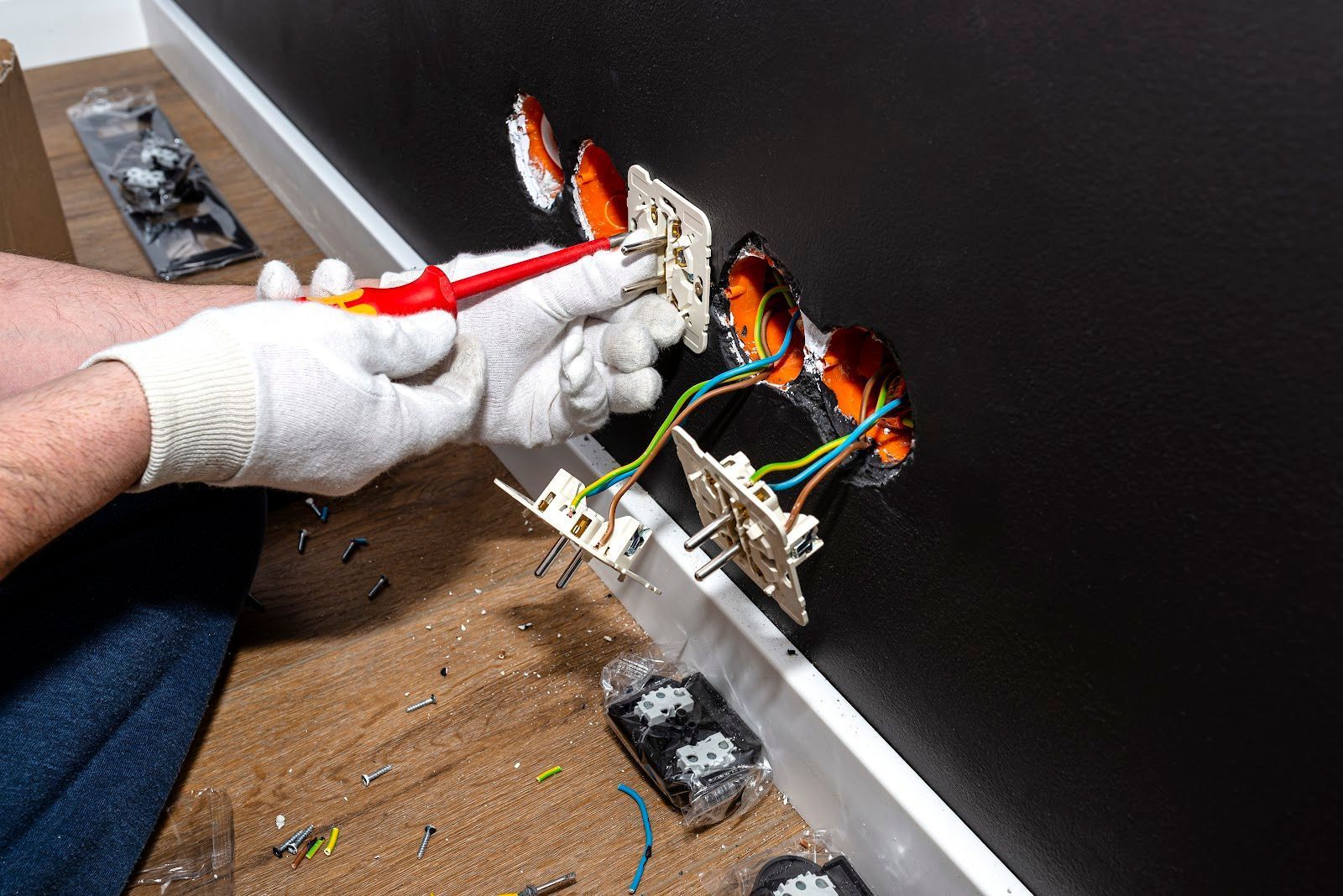
Upgrading to a Level 2 charging station drastically reduces the time your car needs to sit plugged in. These advanced units operate on a 240 volt system and can add up to thirty miles of range per hour of charging. Car buyers frequently ask do I need a special outlet for an electric car. A standard wall plug works for a Level 1 charger but a Level 2 unit strictly requires a dedicated 240 volt circuit installed by a licensed professional. We run thick gauge copper wire directly from your breaker box to the garage to handle this immense power draw safely.
Panel Load Limits
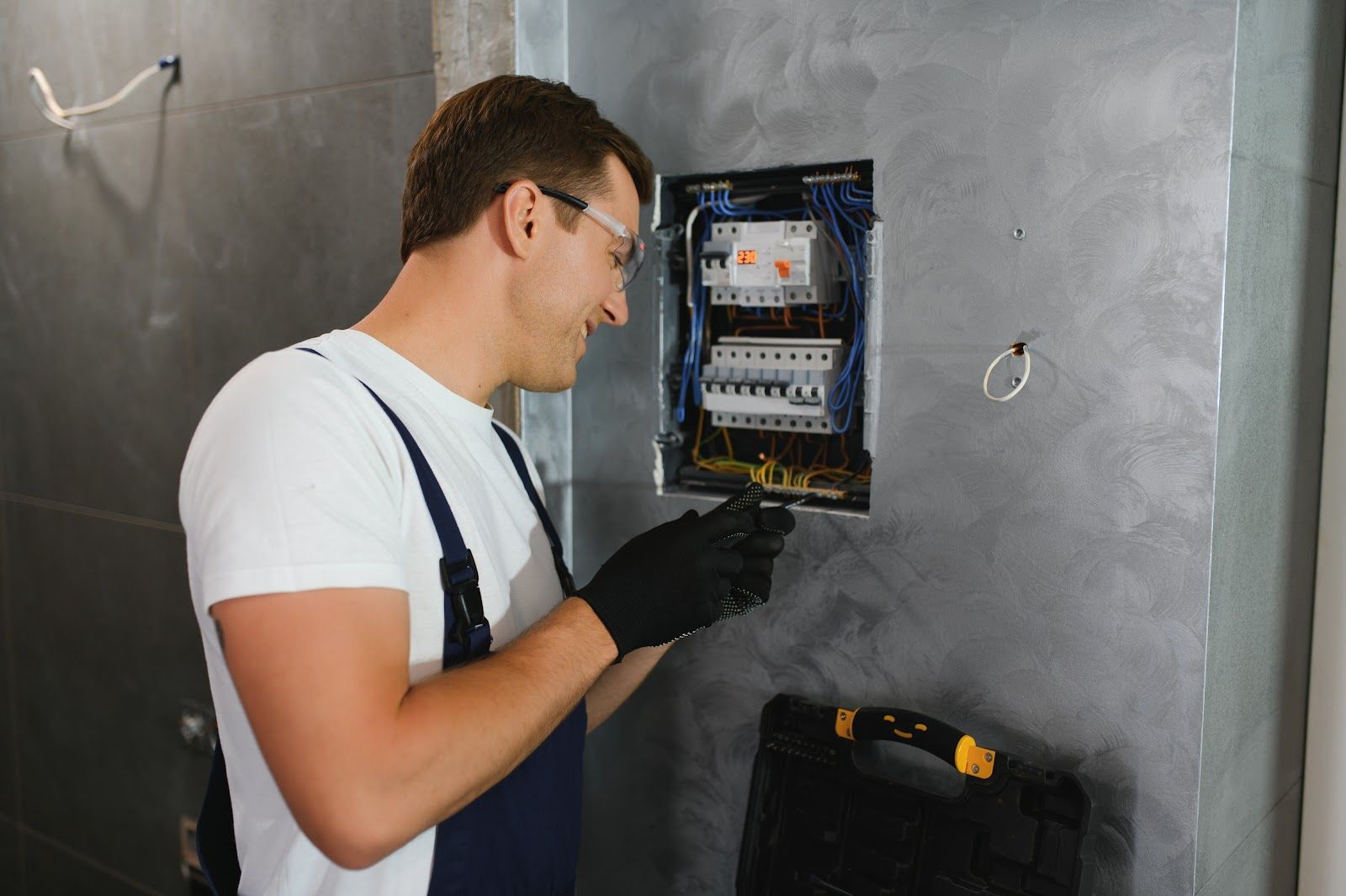
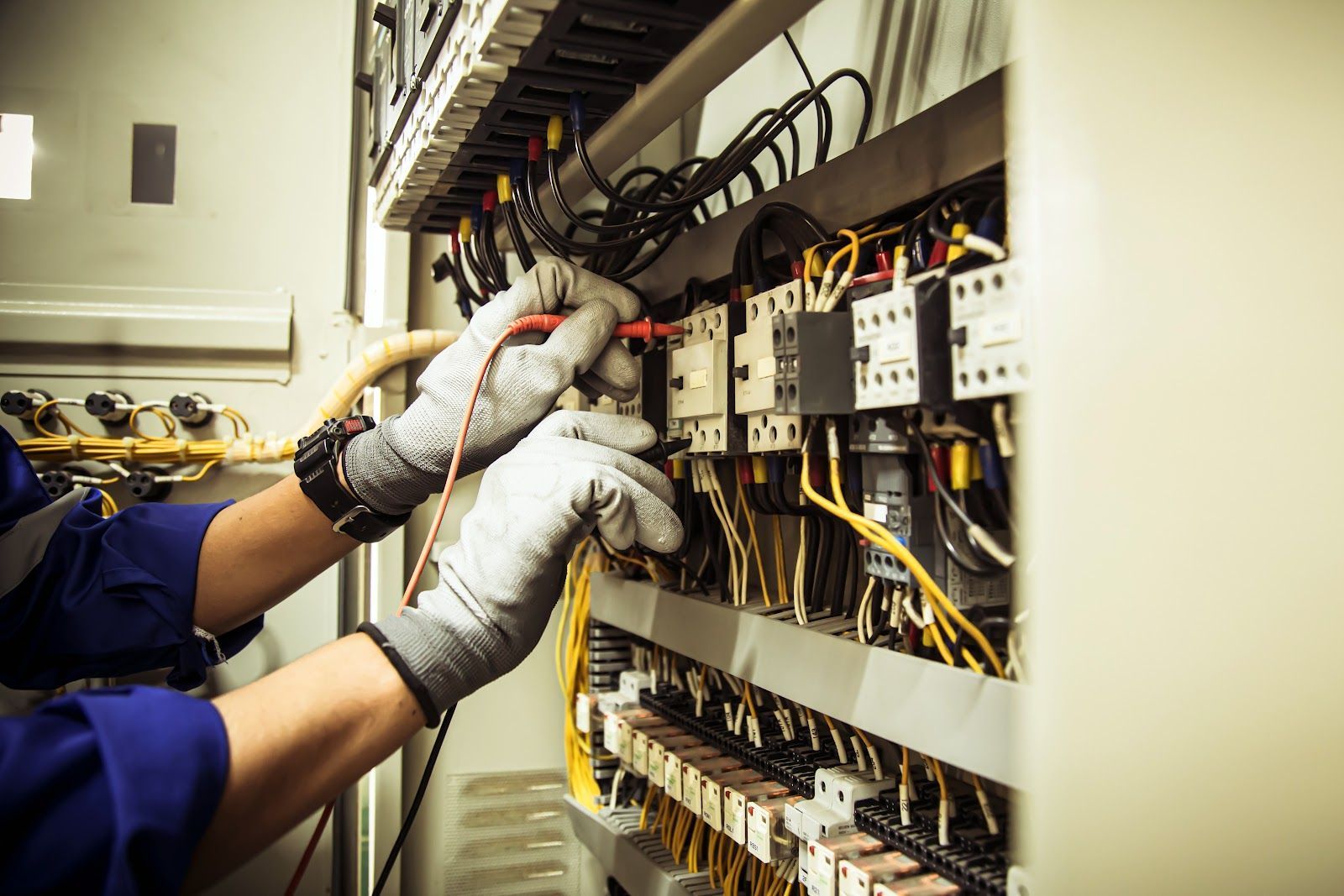
Adding a heavy continuous load to your home requires a thorough evaluation of your main electrical service. Many older Florida homes operate on 100 amp panels that simply do not have the capacity to support a new air conditioner a water heater and a heavy electric vehicle charger simultaneously. We perform exact load calculations to determine if your existing system can handle the extra amperage. If your box is already maxed out we will perform a heavy duty electric panel upgrade to ensure your entire property remains safe and compliant with state building codes.
Delivering reliable power to your garage requires a meticulous evaluation of your existing hardware.
Frequently Asked Questions
Can I install a Level 2 charger outside in the driveway?
Yes we can install specialized outdoor rated charging stations that feature weather tight enclosures to protect the internal components from heavy Florida rain.
Will the charging station increase my electric bill?
Your utility bill will increase based on the amount of electricity your car consumes but charging at home remains significantly cheaper than buying gasoline.
Preparing Your Garage For The Future
Securing the right charging infrastructure allows you to enjoy the full benefits of your new vehicle. Relying on licensed professionals guarantees your home wiring handles the extra electrical stress safely and efficiently. Contact our team today to schedule an inspection of your current garage circuitry.
Share This Blog