How Fast Can I Really Charge My Car at Home? Local Power Limits Explained
For many Florida homeowners, getting an electric vehicle comes with the big question: How fast can I actually charge my car at home? Doctor Electric talks to Pinellas County drivers every week who are surprised to learn that advertised charger speeds don’t always match real-life results. The truth is, local power limits and home wiring conditions play just as big a role as the charger itself.
Even high-end EV models can only charge as fast as your home allows. Doctor Electric brings local insight to every installation, helping clients understand not just what’s possible, but what’s actually practical in a Florida home. Here’s what really controls your in-home charging speed—and why those glossy numbers from manufacturer brochures don’t always add up.
In This Article:
- The Basics: What Controls EV Charging Speed at Home
- The Limits of Old Panels and Florida Wiring
- Can an Old Panel Support Fast Charging?
- When Rewiring Does (and Doesn't) Speed Things Up
- Honest Timelines—What You Can Expect
The Basics: What Controls EV Charging Speed at Home
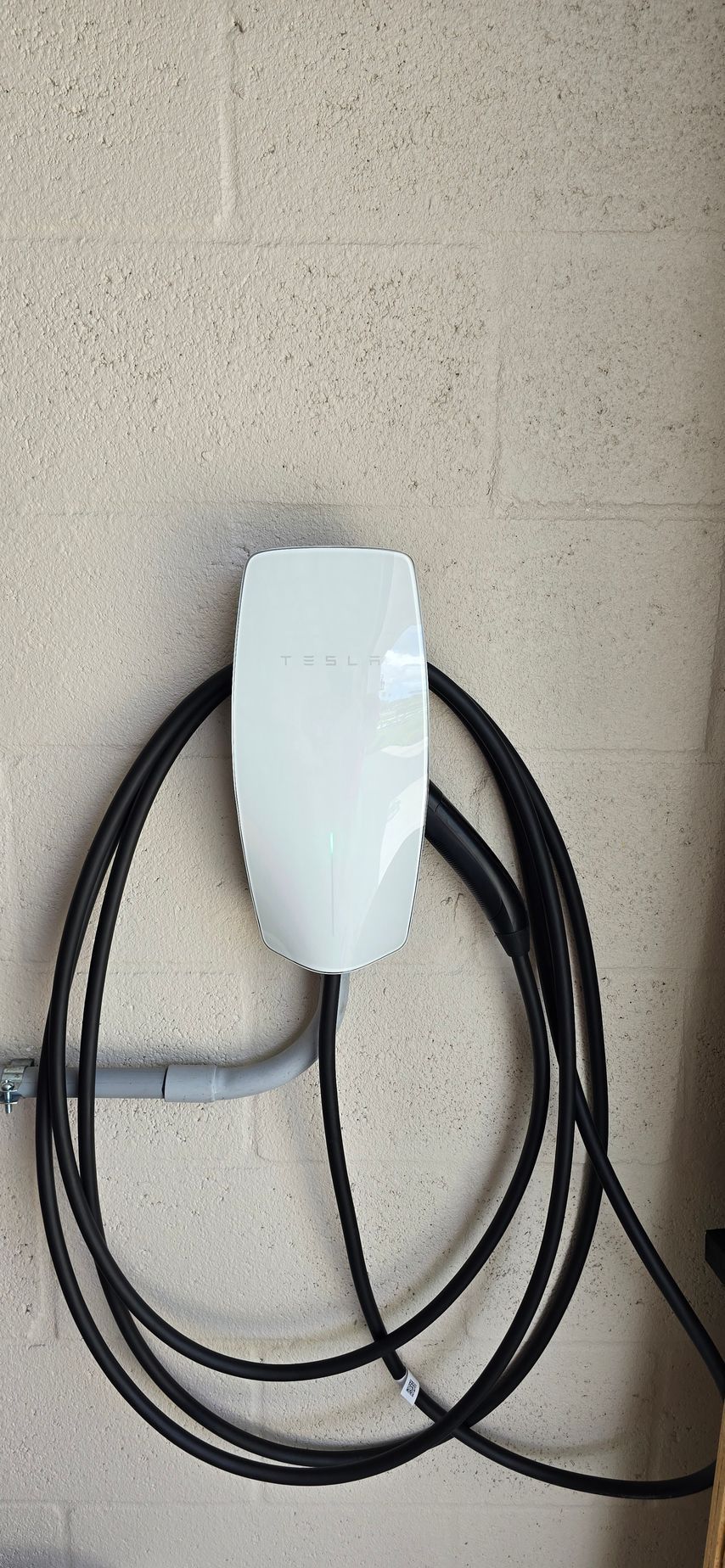
The speed of charging an electric vehicle at home depends on three main factors: the Level of the charger (Level 1, Level 2, or DC), the amperage your panel can provide, and the wiring from your panel to the charger itself. While some EVs advertise “fast charging” options, you can only pull as much power as your house wiring and panel allow.
→ A quick tip to remember: Just because your vehicle and charger support fast charging doesn’t mean your house does—always check your panel and circuit capacity first.
The Limits of Old Panels and Florida Wiring
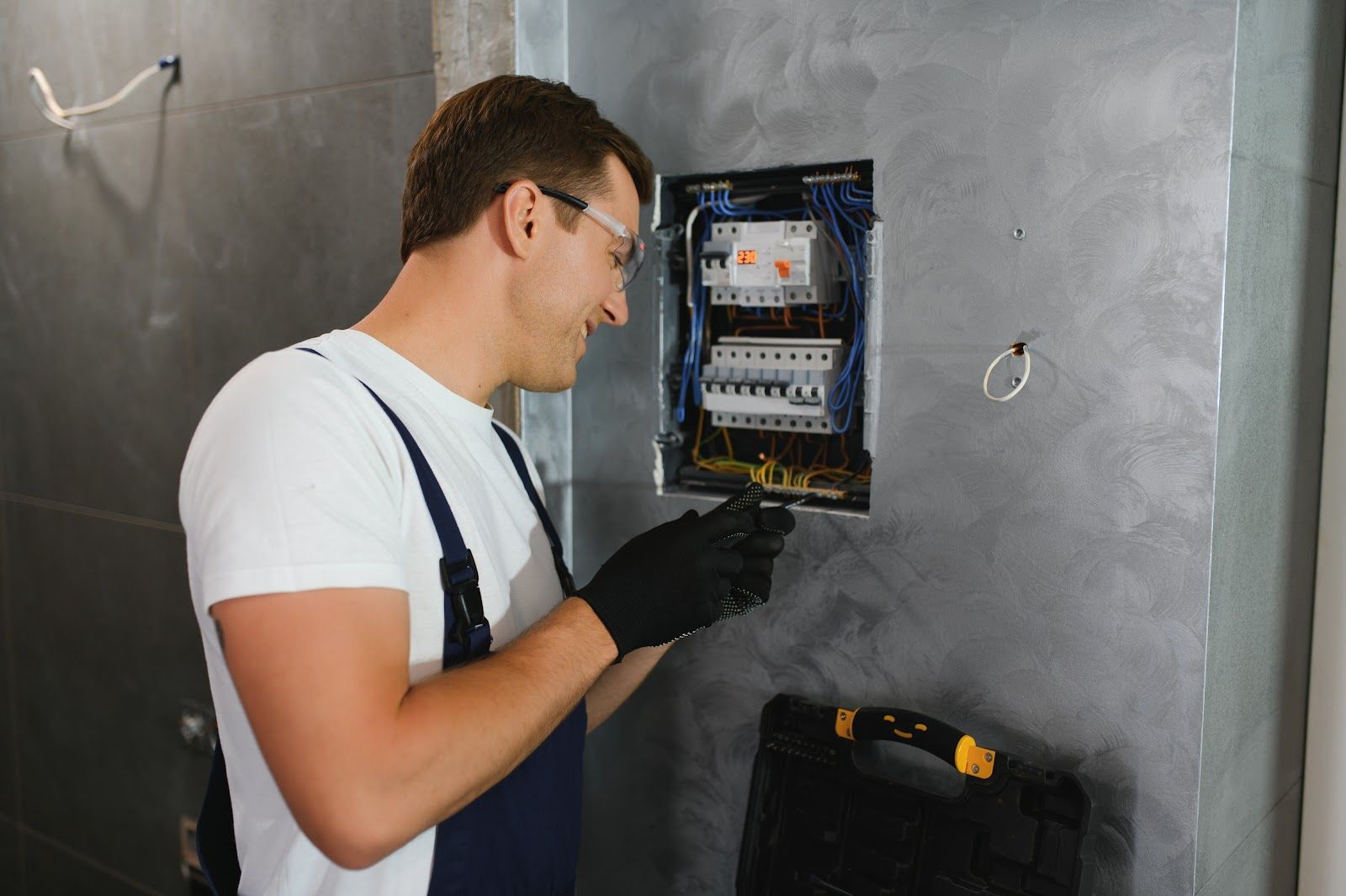
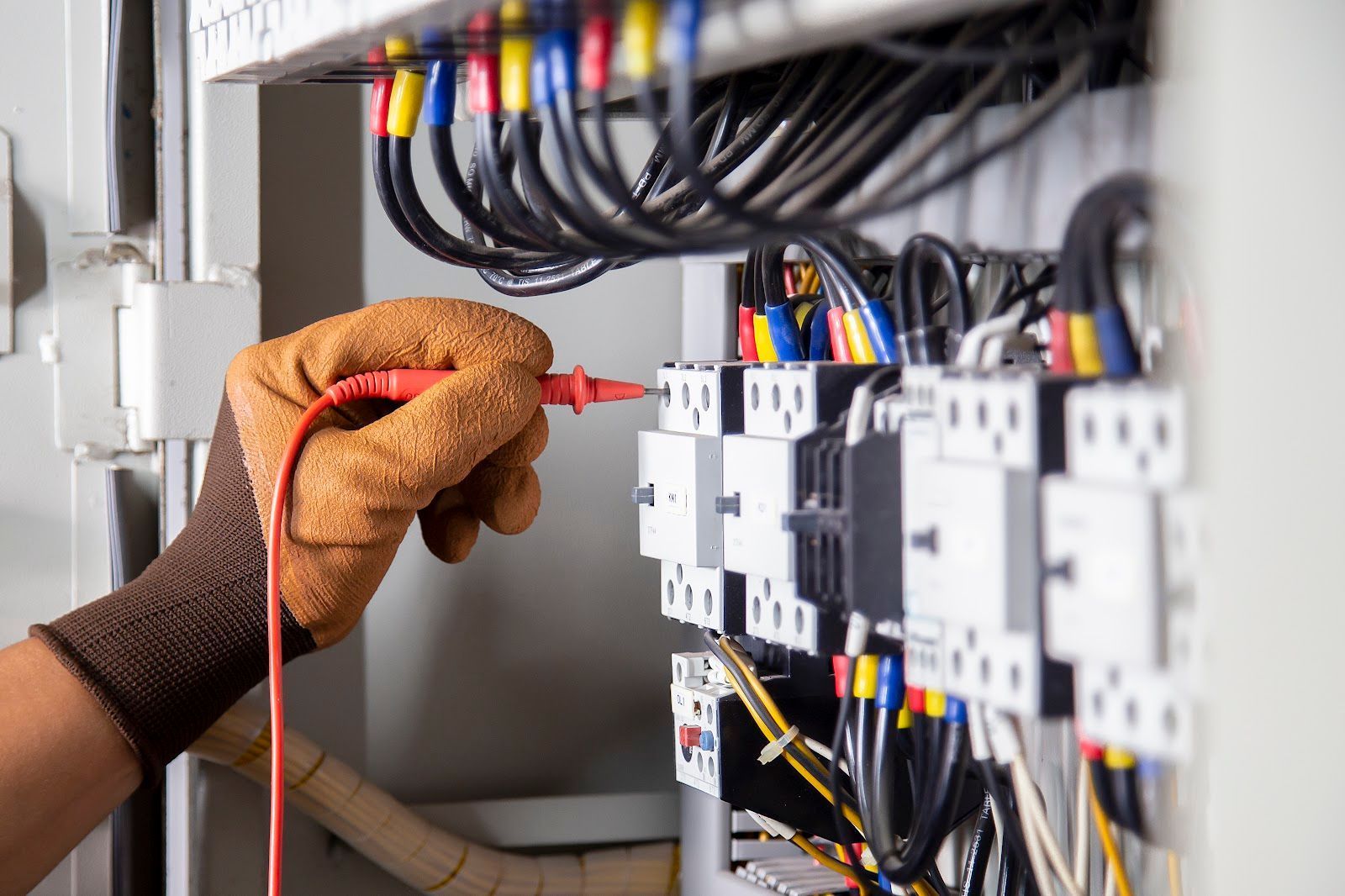
A major limitation in Pinellas County homes is the age and condition of the main electrical panel. Older panels (especially those installed pre-2000) often can’t support the consistent amperage that Level 2 or DC chargers require. Florida’s climate isn’t kind to electrical components, and corrosion, humidity, and previous overloading all reduce safe output. This means a top-tier charger may not deliver much more than a standard outlet until a panel upgrade is complete.
→ From a professional standpoint: Investing in a new charger without a solid panel is putting the cart before the horse. Doctor Electric frequently helps local families upgrade or repair panels to truly unlock faster charging.
Can an Old Panel Support Fast Charging?
Many homeowners want to know: Can I use a fast charger with my existing panel?
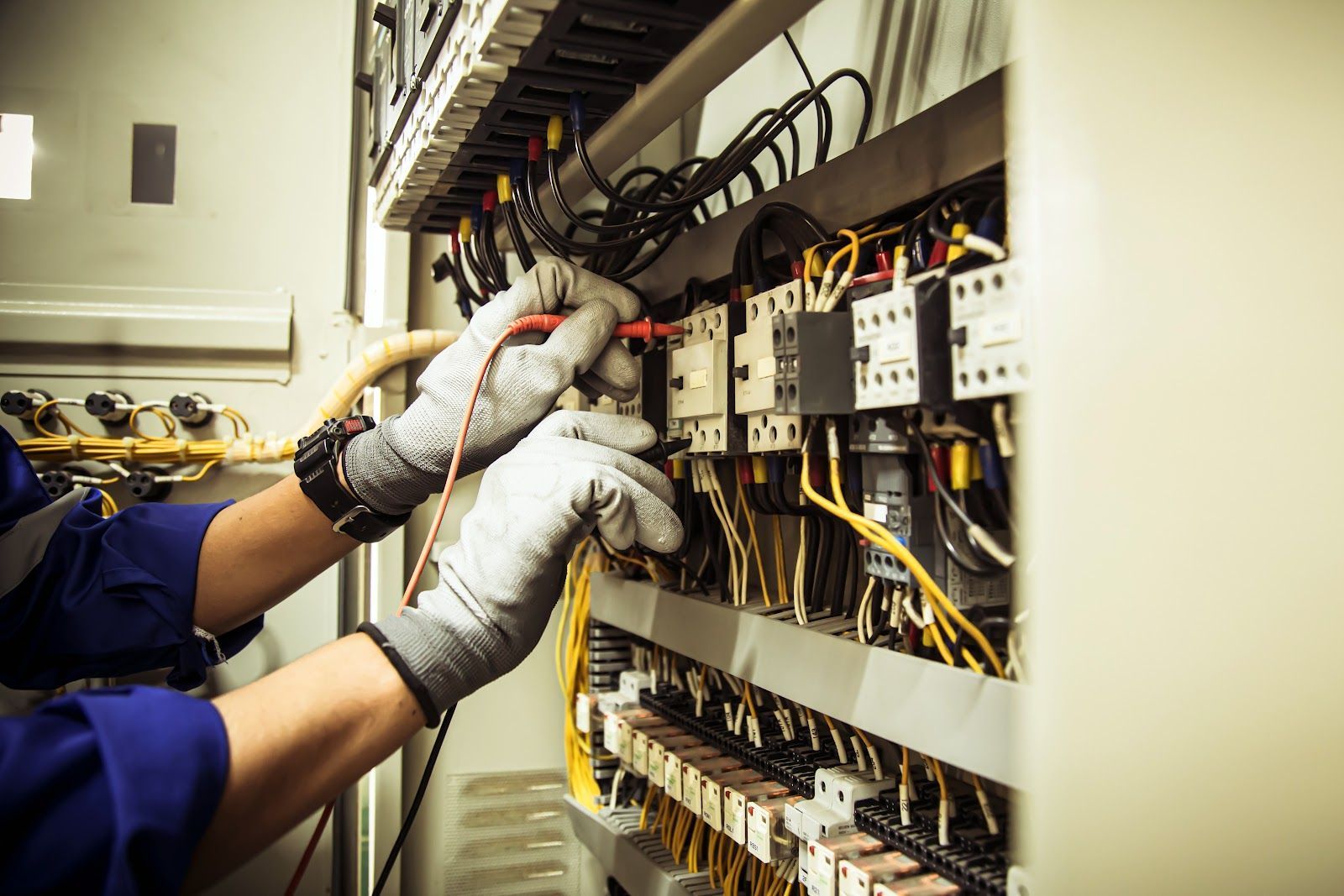
The honest answer is, only if your panel is in good shape and sized to handle modern electrical loads. Most panels in Florida homes over 15 years old are rated for much lower total amperage than new EV chargers need. Running a charger beyond your panel’s capacity results in frequent trips or, worse, unsafe overheating. The safe path is to have a licensed electrician run a full load calculation, considering all big appliances alongside the charger, before plugging anything in.
→ If your panel is more than a decade old or you see rust, buzzing, or loose breakers, fast charging could be dangerous without an upgrade.
When Rewiring Does (and Doesn't) Speed Things Up
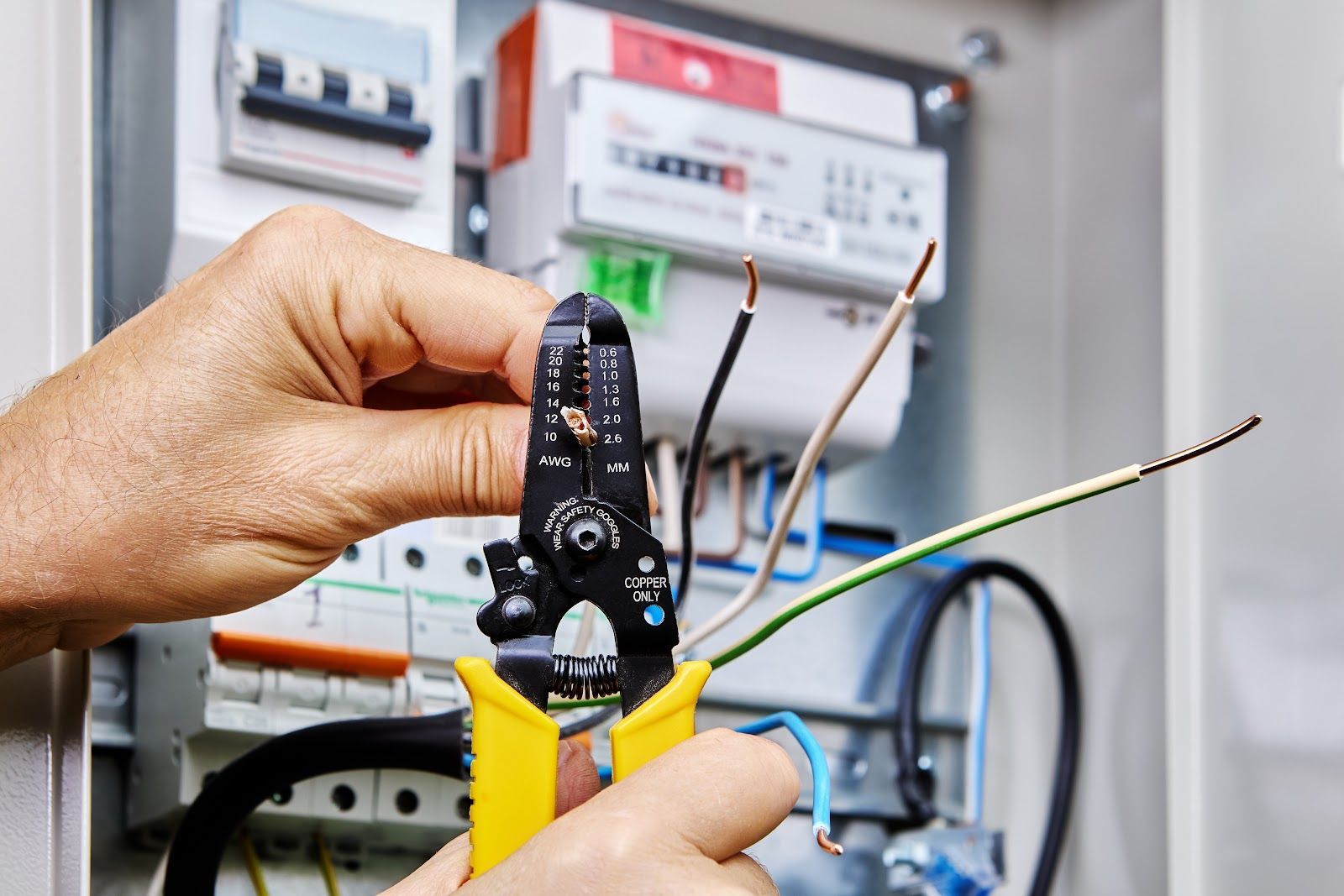
Swapping breaker slots or running new wire won’t always boost charging speeds if the main panel is still undersized. With Florida homes, Doctor Electric often finds that the root issue isn’t just one bad wire but a panel or even a main service that’s too small for modern electricity demands. On the other hand, if your panel is modern and healthy, new dedicated wiring from the panel to the charger can safely provide the maximum speed your car supports.
→ The most common overestimation: Expecting rewiring alone to create “supercharging” at home—panel size and total household demand matter just as much.
Honest Timelines—What You Can Expect
In Florida, a typical Level 2 charger, paired with a capable panel and proper wiring, will add anywhere from 15 to 25 miles of range per hour of charge. If upgrades or rewiring are required, Doctor Electric can often bring houses up to speed in a single day (permits permitting). The key is matching the charger, the car, and the house—no one-size-fits-all solution.
→ A quick tip to remember: For true fast charging at home, plan on a day for installation and potentially a day or two more if a panel upgrade is needed—always worth it for long-term safety and ease.
Want Reliable Charging Without Surprises?
Every Pinellas County home is different, especially with Florida’s mix of older and new construction. If you want charging speeds that really match your EV’s potential, don’t settle for guesswork. Talk to Doctor Electric for a straight answer and a plan that matches both your car and your home—safe, honest, and tailored to local electrical realities.
Share This Blog