4 Hidden Dangers You Miss During DIY Electrical Repairs
Every homeowner wants to save money and learn new skills, but DIY electrical repairs often hold more risk than reward. At Doctor Electric, we’ve seen first-hand how even a simple fix in a Florida home can go wrong fast. Most folks only spot the obvious issues and miss hidden dangers that can turn a little project into a big problem.
Electrical work is one area where local knowledge and proper technique make all the difference. Doctor Electric focuses on exposing the easy-to-miss hazards lurking in Pinellas County homes — so you know when it’s time to put down the screwdriver and call a pro.
In This Article:
- Tip #1: Underestimating Hidden Wire Damage
- Tip #2: Mistaking Circuit Overloads for Isolated Issues
- Tip #3: Overlooking Local Building and Electrical Code
- Tip #4: Relying on Outdated Online Tutorials
- Frequently Asked Questions
Tip #1: Underestimating Hidden Wire Damage
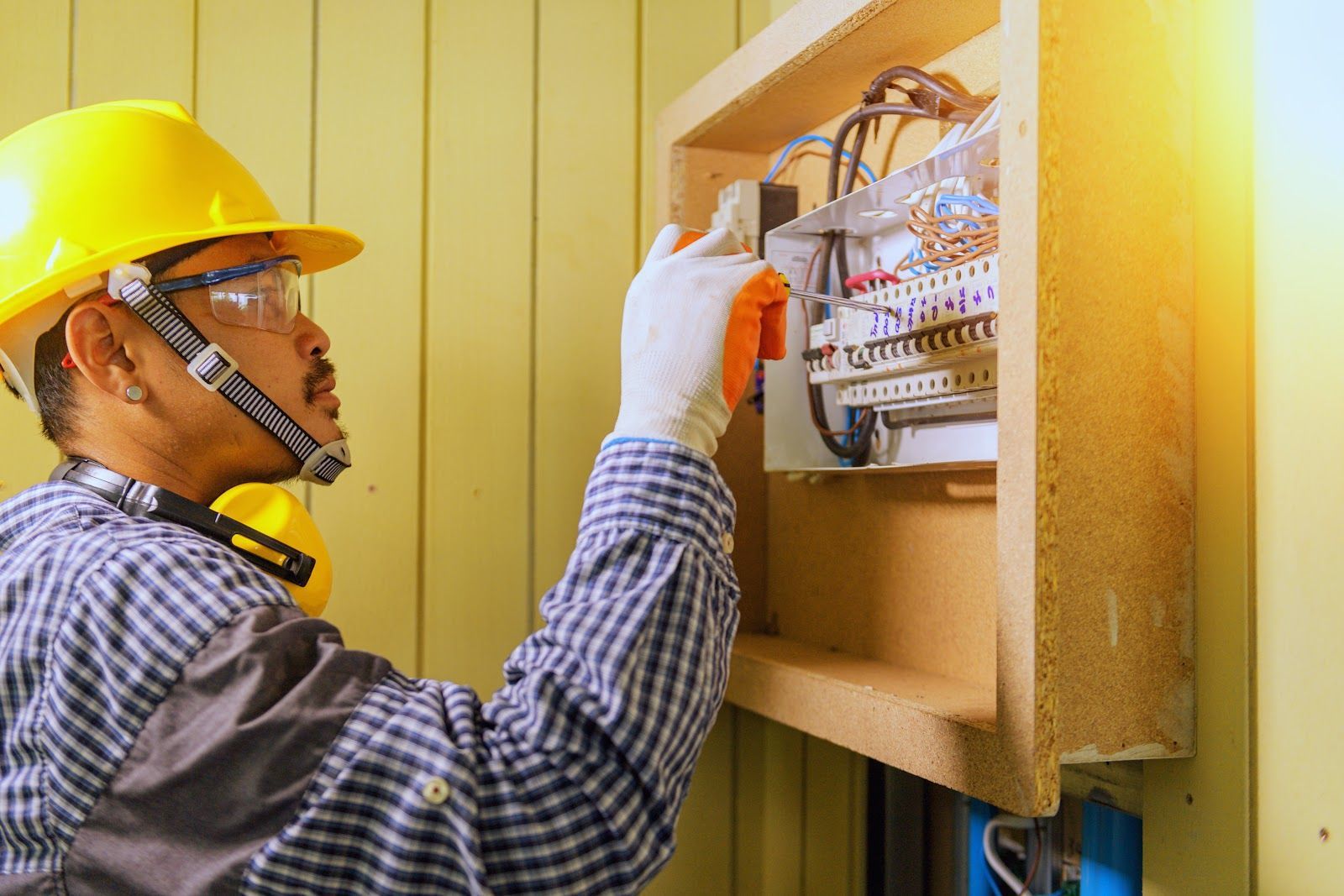
Many homeowners in Florida think as long as the power is working, everything behind the wall must be fine. But hidden wire damage — from older installations, pest activity, or salt and humidity — is all too common.
• Damaged insulation: Wires behind outlets or switches often suffer cracking from age or heat.
• Corroded connections: Especially in homes near the coast, salt air can eat away at terminals.
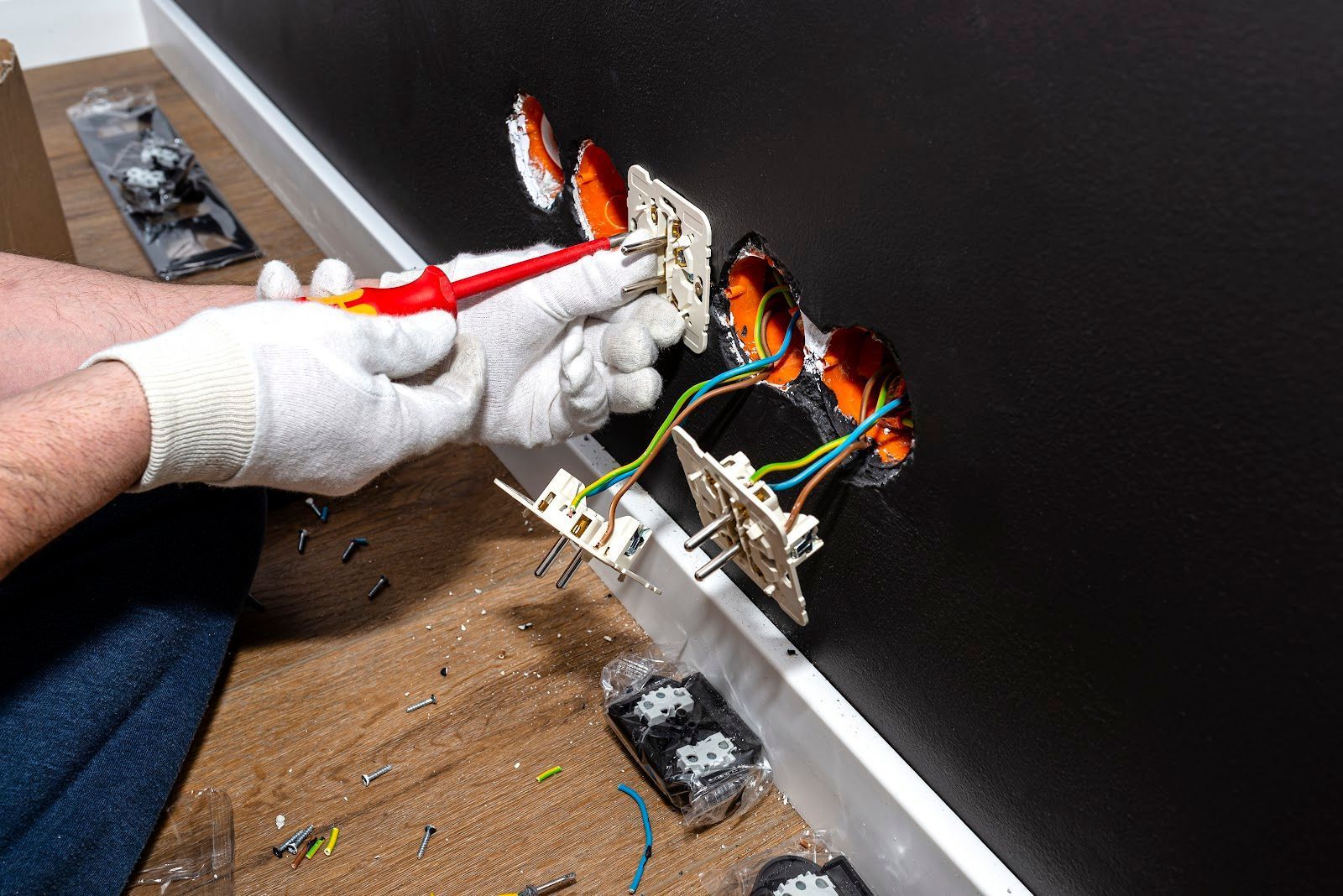
• Pinched wires: Moving or replacing fixtures can trap wires, risking short circuits.
Tip #2: Mistaking Circuit Overloads for Isolated Issues
It’s easy to think a single outlet or fixture issue is a one-off, but in Florida homes, overloaded circuits are a leading cause of electrical fires and outages.
• Too many devices: Plugging in AC units or heaters to one outlet strains the system.
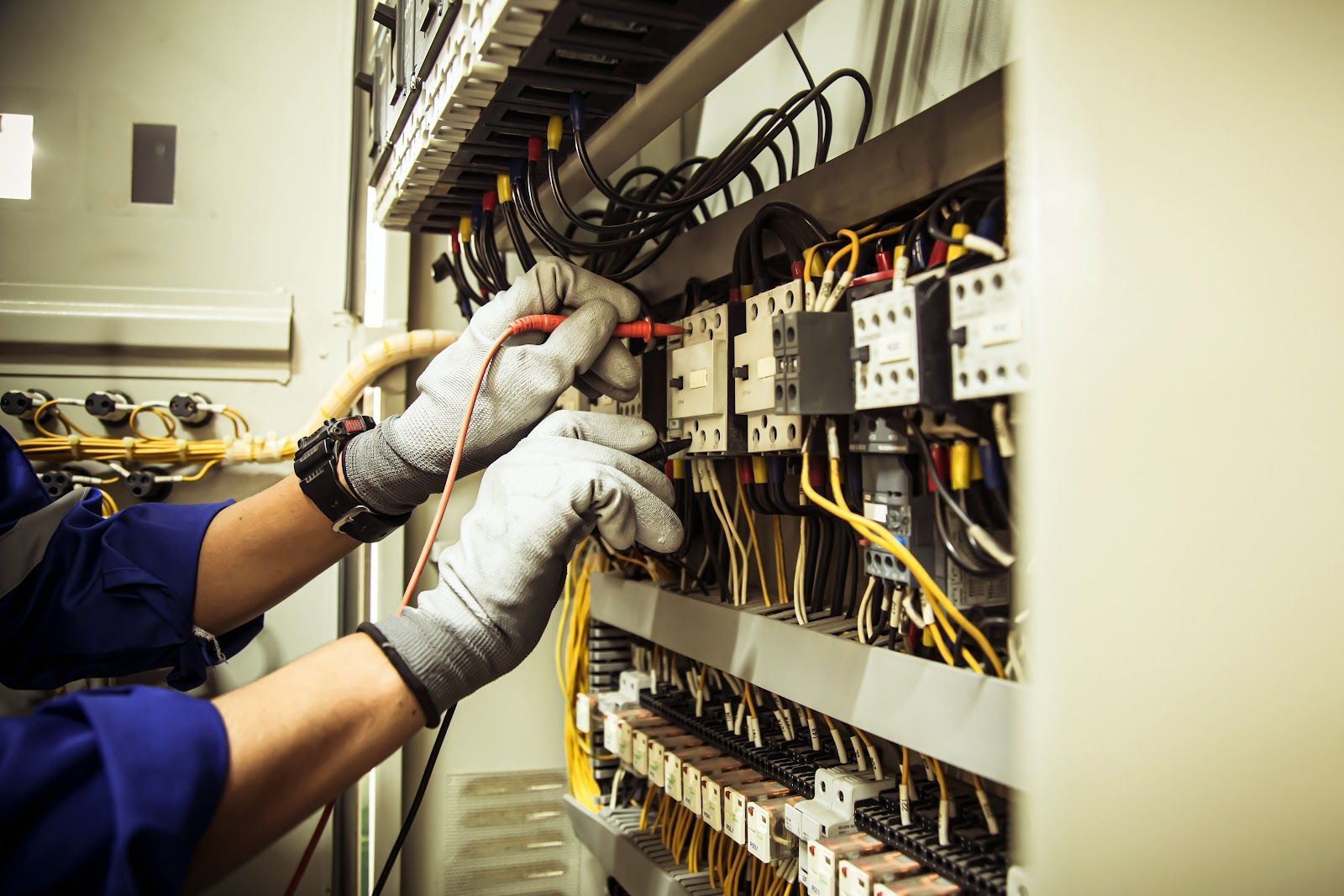
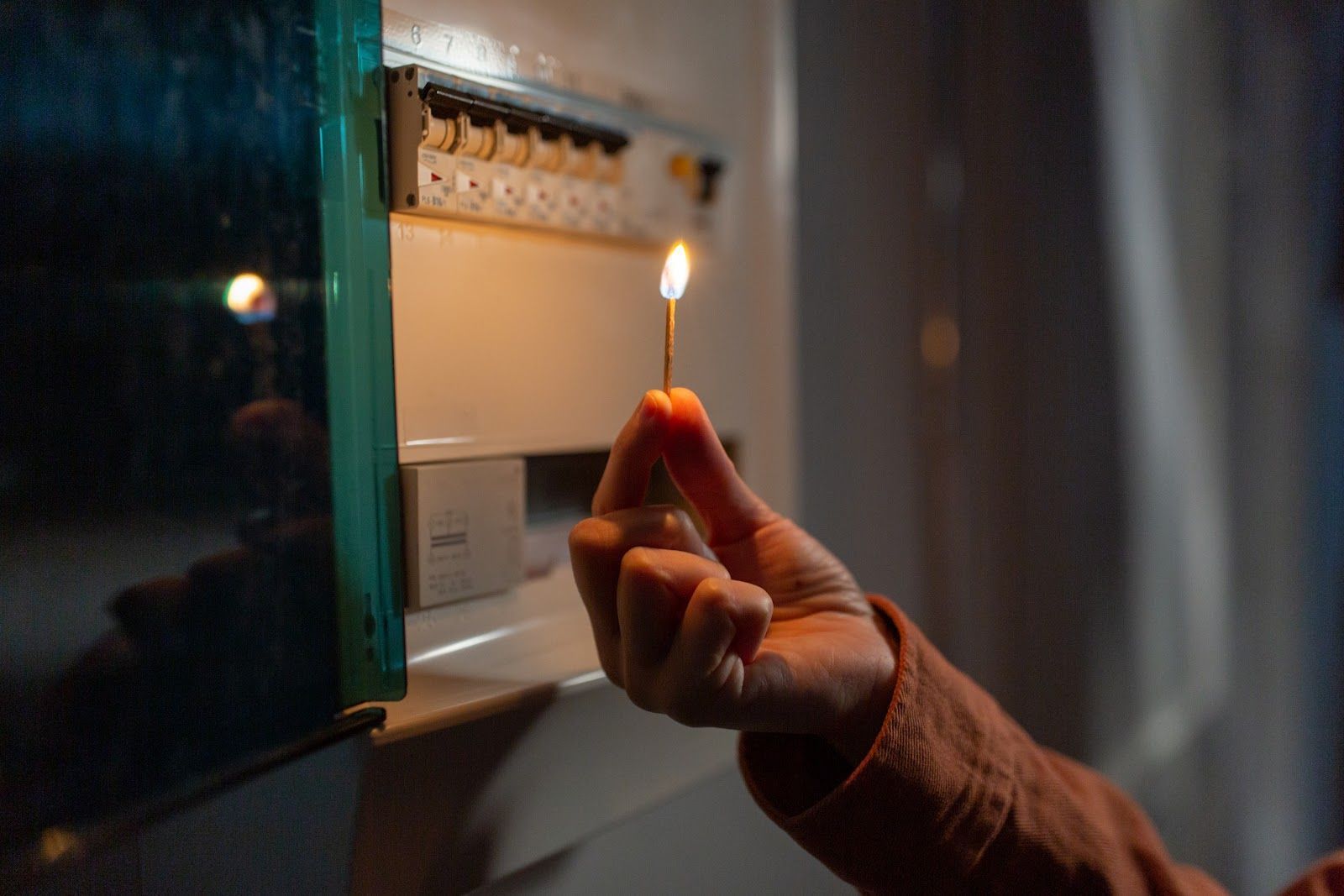
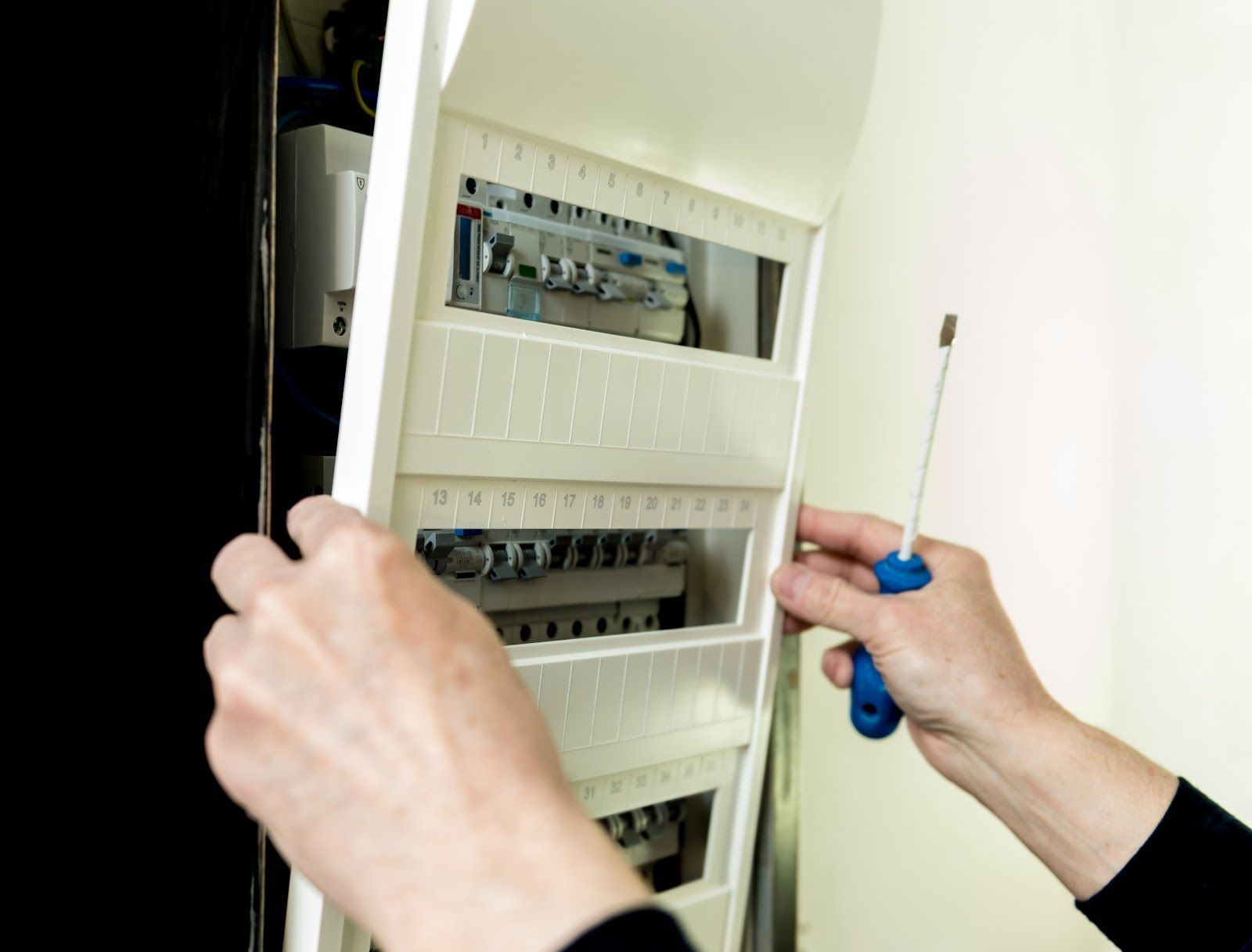
• Old panels: Many Pinellas County houses still use outdated breaker panels , which trip unexpectedly.
• Extension cord overuse: Chaining cords or multi-plug adapters can hide overload symptoms until something fails.
Tip #3: Overlooking Local Building and Electrical Code
Florida has specific codes to protect against humidity, storms, and electrical shock. Skipping code requirements isn’t just illegal — it can void insurance or cause unsafe conditions.
• GFCI placement: Not every home in Pinellas meets code for proper GFCI usage near water sources.
• Wire gauge errors: Using the wrong size wire for high-load circuits is a hidden fire risk.
• Improper grounding: Old repairs may use outdated grounding that’s unsafe by today’s standards.
Tip #4: Relying on Outdated Online Tutorials
A search for DIY electrical guides brings up thousands of tips, but not all are safe or relevant to newer building codes — especially in Florida.
• "Tricks" that bypass standards: Dangerous shortcuts might work elsewhere, but not in Florida’s moisture-heavy environment.
• Outdated material advice: Wrong wire types, poor connectors, or ignoring surge protection come back to haunt DIYers.
• “One-size-fits-all” advice: The unique conditions in Pinellas County demand custom solutions.
Frequently Asked Questions
What are the biggest risks of DIY electrical fixes?
The top risks include causing a short circuit, making a fire more likely, or accidentally damaging the wiring behind your walls. Doctor Electric’s techs see this often—especially when people try to wire up new fixtures or swap outlets.
How do you ensure repairs meet local code?
Doctor Electric trains and monitors all staff to follow Florida’s building and safety codes — not just for legal compliance, but to protect homes from local hazards like humidity and storm surges. Every job is documented and inspected for code compliance.
When should I call Doctor Electric for help?
If you notice sparking, repeatedly tripping breakers, or any burning smells, it’s time to call the pros. Even loose outlets or flickering lights are warning signs that should be checked by an expert.
Stay Safe, the Right Way
Trying to save time or money on electrical repairs in Florida can backfire if you miss hidden dangers or skip proper technique. Focus on fixes you fully understand, and call Doctor Electric in Pinellas County for anything involving wiring, panels, or persistent problems. Your safety and peace of mind are worth it.
Share This Blog